

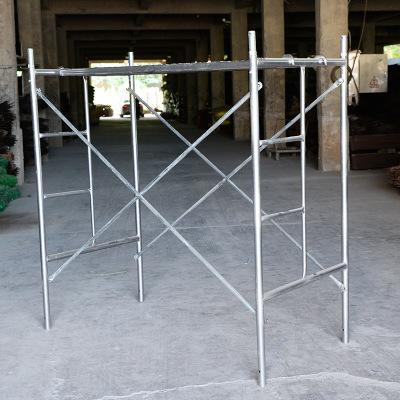
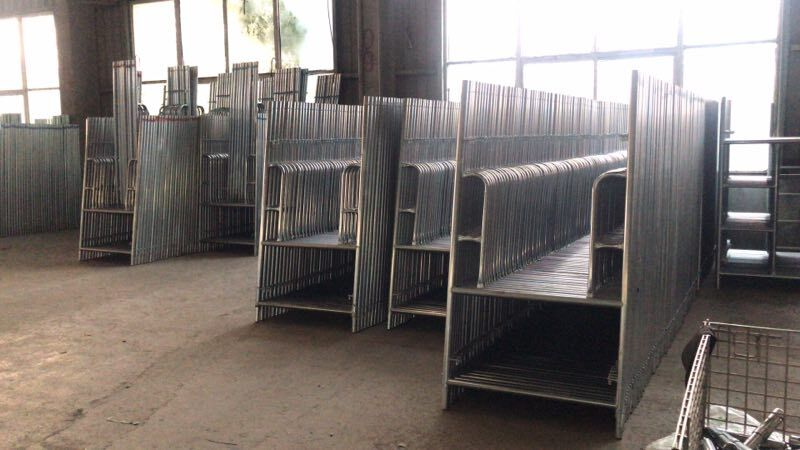
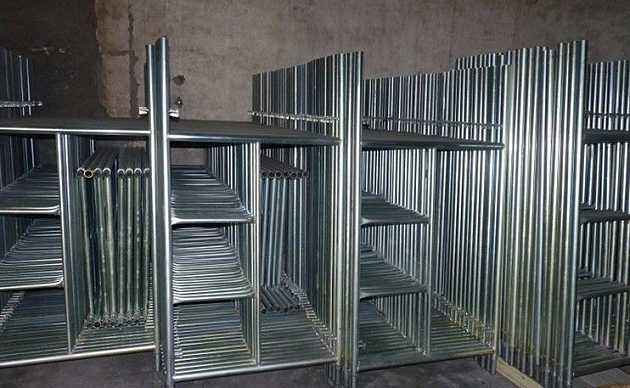
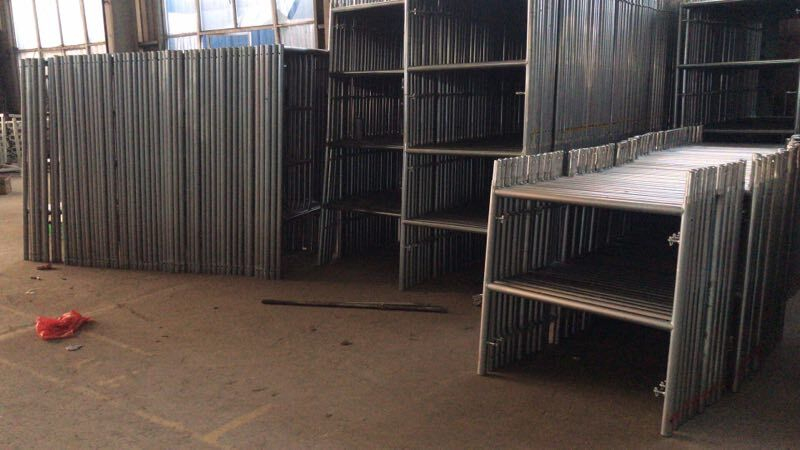
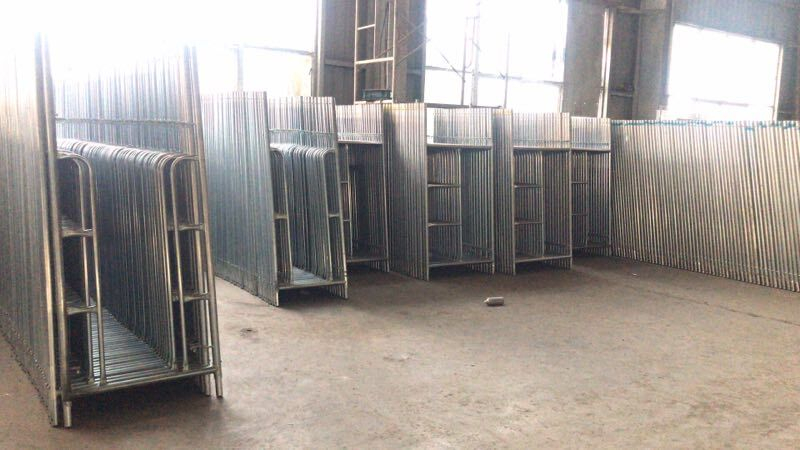
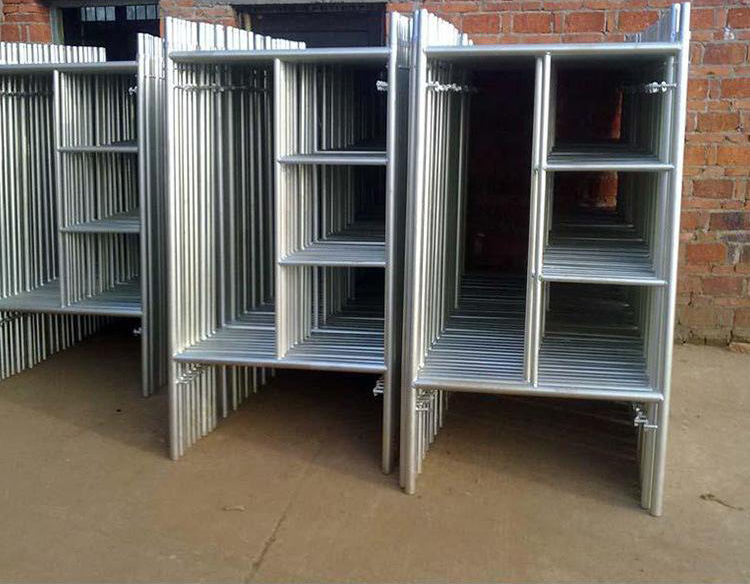
脚手架在使用状态下以铁素体组织为主的叫合金脚手架。含铬量在11%~30%,具有体心立方晶体结构。这类钢一般不含镍,有时还含有少量的Mo、Ti、Nb等到元素,这类钢具导热系数大,膨胀系数小、抗氧化性好、抗应力腐蚀优良等特点,多用于制造耐大气、水蒸气、水及氧化性酸腐蚀的零部件。这类合金脚手架存在塑性差、焊后塑性和耐蚀性明显降低等缺点,因而限制了它的应用。炉外精炼技术(AOD或VOD)的应用可使碳、氮等间隙元素大大降低,因此使这类钢获得广泛应用。
The square tube is called alloy square tube, which is mainly composed of ferrite in service state. The chromium content ranges from 11% to 30%. It has a body-centered cubic crystal structure. This kind of steel generally does not contain nickel, and sometimes contains a small amount of Mo, Ti, Nb and other elements. This kind of steel tool has the characteristics of high thermal conductivity, small expansion coefficient, good oxidation resistance and excellent stress corrosion resistance. It is mostly used to manufacture parts resistant to atmospheric, steam, water and oxidative acid corrosion. This kind of alloy square pipe has some shortcomings, such as poor plasticity, obvious decrease of post-weld plasticity and corrosion resistance, which limits its application. The application of out-of-furnace refining technology (AOD or VOD) can greatly reduce the gap elements such as carbon and nitrogen, thus making this kind of steel widely used.
长春脚手架市场将持续震荡偏弱运行成交整体一般…本周长春脚手架市场价格小幅下跌,脚手架市场整体成交一般。本周初,市场整体运行暂稳,到本周中期期货、原料等上游市整体开始呈 现出偏弱下滑状态。本周上游市场窄幅震荡运行,原材料市场受影响出现小幅下跌情况。目…
管理员
该内容暂无评论